


Shikiko YUKAWA
Associate Professor, Institute for Liberal Arts and Sciences,
Kyoto University
Susumu KITAGAWA
Executive Vice President of Research Kyoto University
Distinguished Professor Institute for Advanced Study
Emiko OCHIAI
Professor, Faculty of Sociology, Kyoto Sangyo University
Emeritus Professor, Kyoto University
Founding Director of Kyoto University Asian Studies Unit
Wako ASATO
Professor, Faculty of Letters, Kyoto Sangyo University
Director of Kyoto University Asian Studies Unit
Jie GAO
Program-Specific Assistant Professor, The Hakubi Center,
Kyoto University
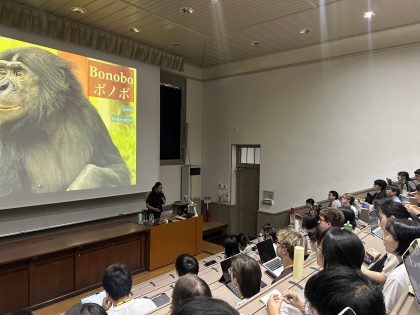
Emiko OCHIAI
Professor, Faculty of Sociology, Kyoto Sangyo University
Emeritus Professor, Kyoto University
Founding Director of Kyoto University Asian Studies Unit

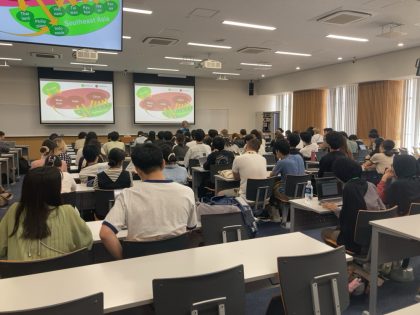
Fumitaka WAKAMATSU
Program-Specific Associate Professor,
International Academic Research and Resource Center for Language Education (i-ARRC),
Institute for Liberal Arts and Sciences, Kyoto University
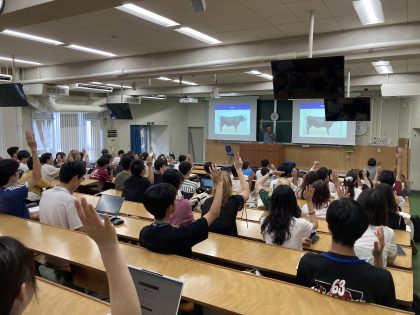
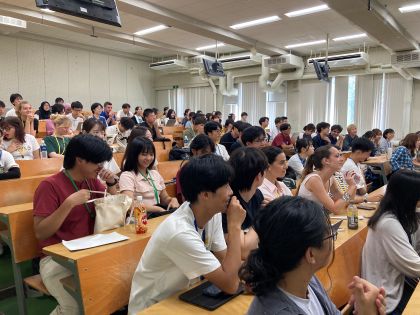
Naoshi KONDO
Emeritus Professor, Kyoto University

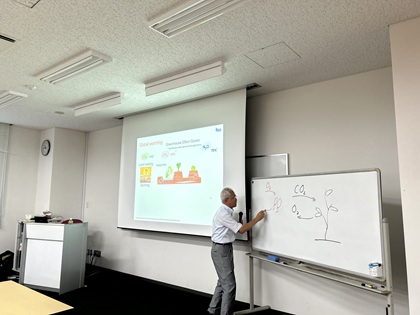
Tadashi TOKIEDA
Stanford University, Professor


Shikiko YUKAWA
Associate Professor,
Institute for Liberal Arts and Sciences,
Kyoto University
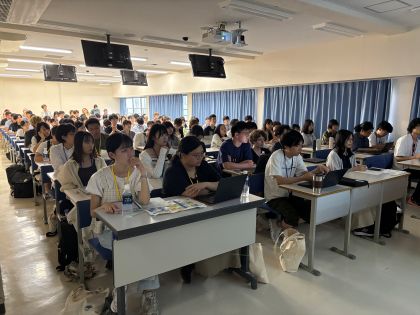

Takashi SEKIYAMA
Associate Professor of Graduate School of Advanced Integrated
Studies in Human Survivability, KyotoU
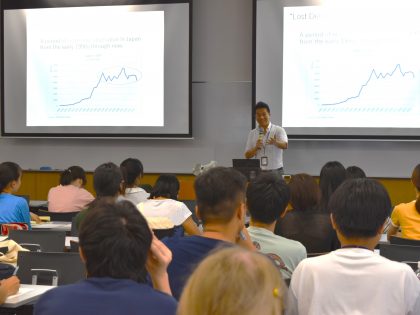
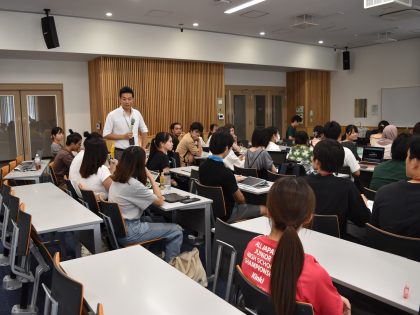
Hirokazu TATANO,
Professor Disaster Prevention Research Institute, KyotoU
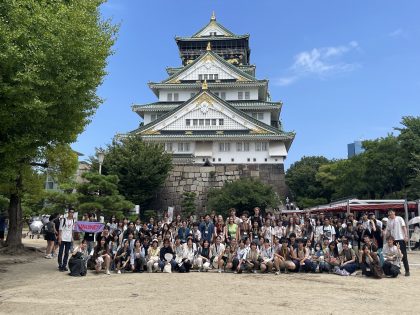
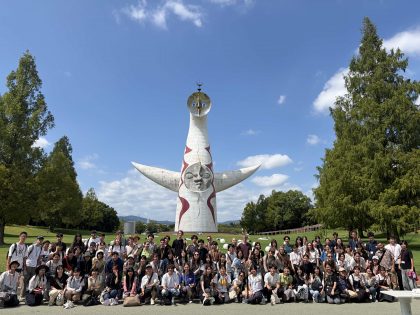
International Participants and KU students went on a field trip to Osaka Castle and Expo’70 Commemorative Park, deepening their understanding of Japanese history and culture.
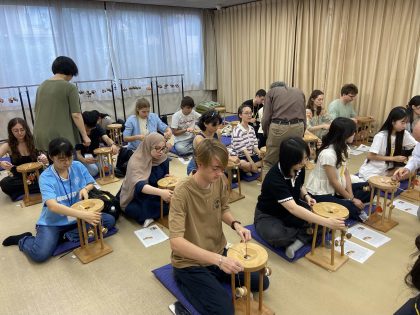
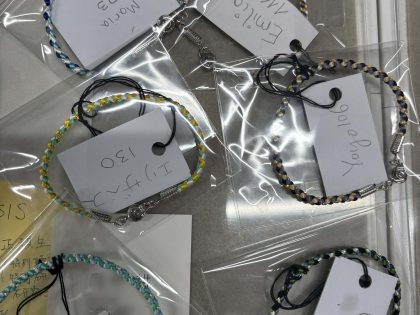
“Kumihimo” is a traditional Japanese craft that has continued for over 1,000 years since the Nara
period. It had been rooted deeply in Japanese daily life used for items like armor, kimono, and
strings used to tie scrolls.
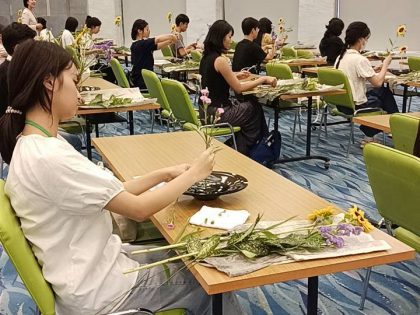
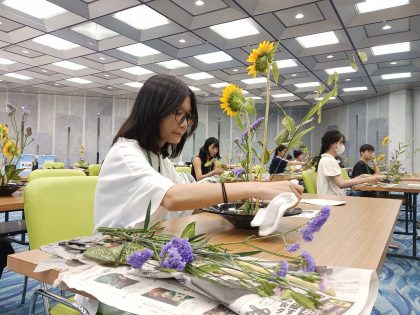
Ikebana is a traditional Japanese cultural art. The name “Ikebana” comes from the concept of
“bringing the life of plants to light.”
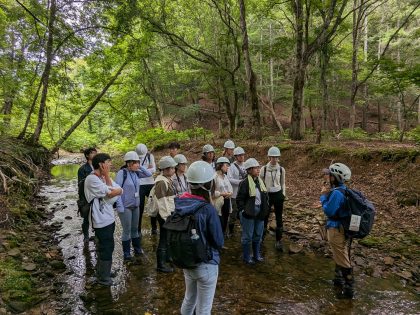
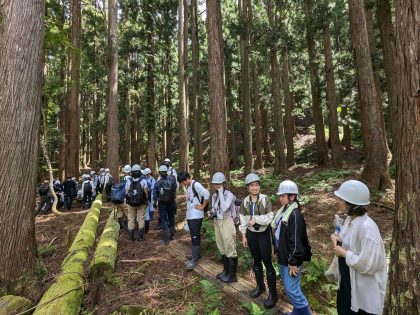
In collaboration with the Kyoto University Field Science Education and Research Center (FSERC), exploring Ashiu Research Forest provided engaging hands-on learning experiences regarding topics such as ecosystem conservation, Japan’s forestry industry, and issues related to animals.
Kyoto is also a city known for its innovation and is home to many world-leading companies. With great supports from these companies, company visits provide opportunities to learn about their histories and achievements.
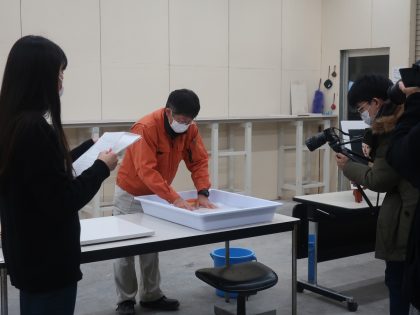
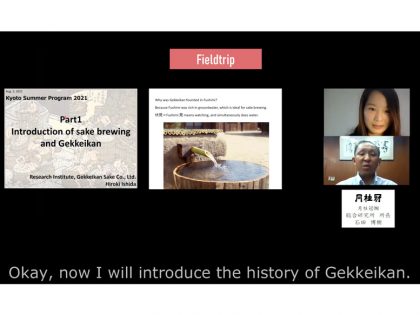
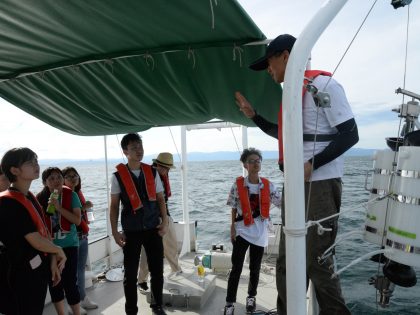
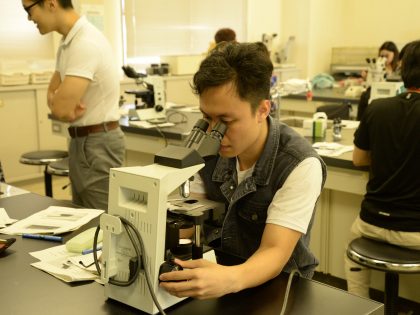
Biwa is the largest lake in Japan and is located just one hour from Kyoto. The excursion is a unique opportunity to learn about various environmental issues not only of the local area, but also around the world. A lecture about the history of the lake and environmental issues is also provided.
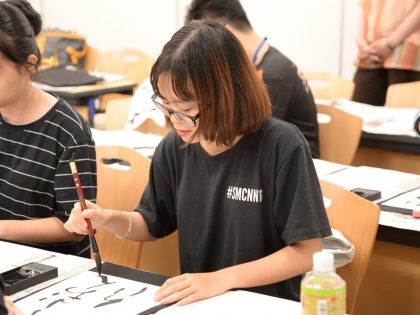
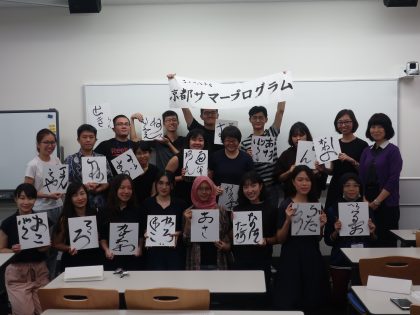
A unique opportunity to delve into Japanese calligraphy. Participants learn about the history of characters and the art form itself. They get hands-on experience in the Japanese style of calligraphy, culminating in creating their own calligraphy pieces.
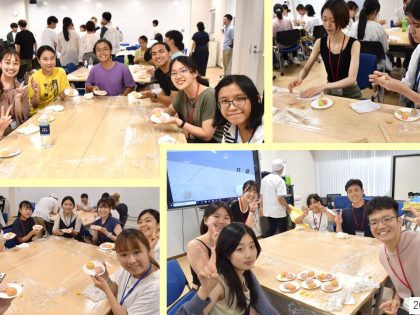
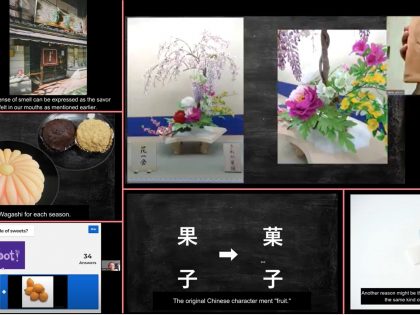
With great supports with Kyoto prefectures Kashi kogyou kumiai (Kyoto prefecture Japanese sweets industrial association) youth division, the one of the theme of 2022’s and 2023’s cultural experience were Wagashi, participants learnt the history of wagashi, Kyo-gashi (sweets in Kyoto) and Kogei Gashi (craft confectionery). They enjoyed eating the wagashi they made by themselves.
To get a deeper insight into Japanese university life, we offered the opportunity to experience a variety of KyotoU students club activities.
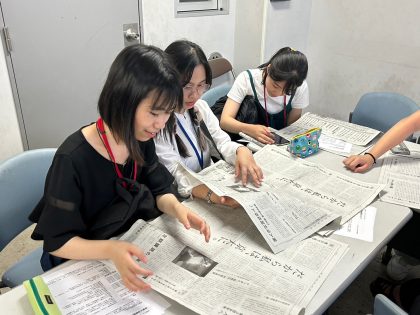
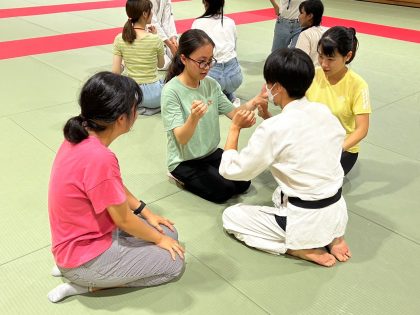
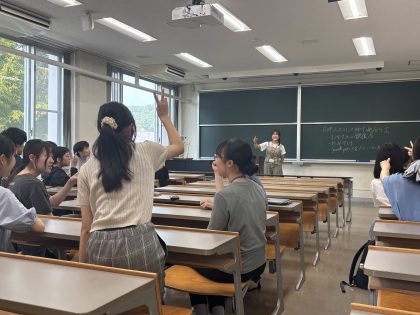
Before the program starts, KyotoU students take a preparation seminar for Japanese teaching practice. They join and work as tutors in Japanese language classes, so international participants have their opportunities to have conversation with KyotoU students in Japanese.
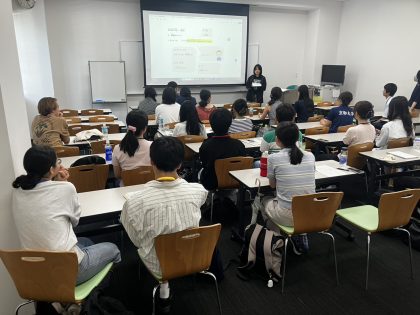
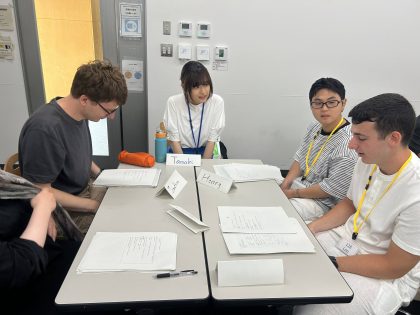
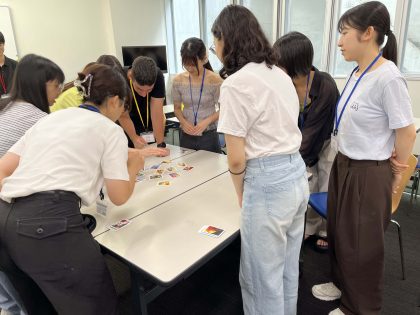
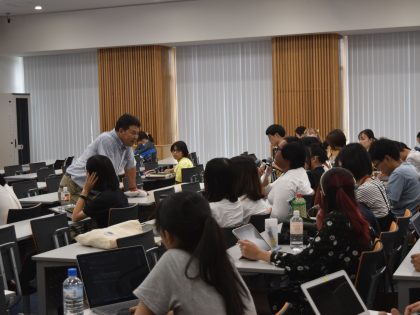
There are several discussion sessions which participants discuss diverse topics regarding the problems our world is facing today with KyotoU students. These are hosted by KyotoU students. In 2026’s program, we discussed AI, disaster prevention and gender and so on.
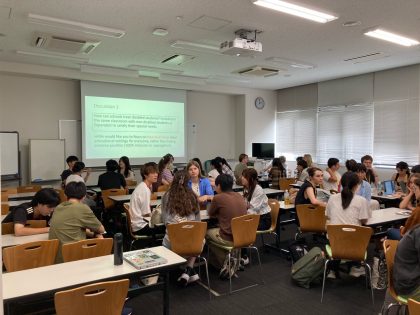
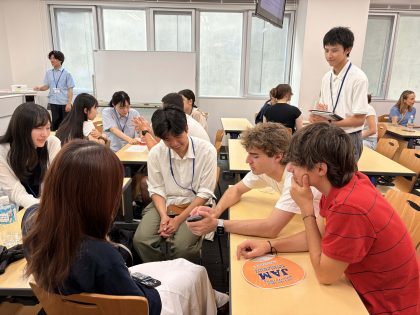
One of the participants told us that “In my university, there are not enough opportunities to learn and practice Japanese directly from native speakers. I am very fortunate and grateful to be a part of this program.” Through these sessions, international participants can have real and forefront Japanese conversations with KyotoU students because these sessions are held by KyotoU students.